
17/05/2026

Between the gentle spring rains and the lush green landscapes of early summer, Bhutan enters one of its most sacred and spiritually significant periods — Saga Dawa. In 2026, Saga Dawa falls from May 17 to June 15, transforming the atmosphere across the kingdom into one of prayer, compassion, mindfulness, and devotion.
For travelers visiting Bhutan during this time, Saga Dawa is more than just a religious observance. It is a rare opportunity to witness the country’s living Buddhist culture in its purest and most heartfelt form.
Saga Dawa is the fourth month of the Bhutanese lunar calendar and is considered the holiest month in Mahayana Buddhism. It commemorates the life of Lord Buddha — his birth, enlightenment, and Parinirvana (passing away) — all believed to have occurred during this sacred period.
Throughout Bhutan, people believe that both positive and negative actions are greatly multiplied during Saga Dawa. As a result, many Bhutanese dedicate the month to generating merit through acts of kindness, generosity, prayer, and compassion toward all living beings.
You will notice a quieter, more reflective energy across the country. Prayer wheels spin continuously in temples, butter lamps flicker late into the evening, and families gather at monasteries to offer prayers for peace, well-being, and harmony.
Why Many Bhutanese Avoid Meat During Saga Dawa
One of the most well-known traditions during Saga Dawa is the practice of avoiding meat. Many Bhutanese people choose to follow a vegetarian diet throughout the month as an expression of compassion and non-violence toward animals.
While Bhutan is deeply connected to Buddhist values, Saga Dawa encourages people to become more mindful of their actions and their impact on other living beings. Some families avoid meat completely, while others reduce consumption or follow vegetarian practices on especially sacred days.
For visitors, this often becomes a surprisingly enjoyable culinary experience. Restaurants and homes prepare delicious vegetarian Bhutanese dishes using fresh local ingredients such as:
Red Rice Mushrooms Potatoes Spinach Buckwheat Fresh Cheese Asparagus Chilies Mountain Vegetables
Traveling through Bhutan during Saga Dawa feels noticeably different from other times of the year. The country’s spiritual heartbeat becomes more visible in daily life.
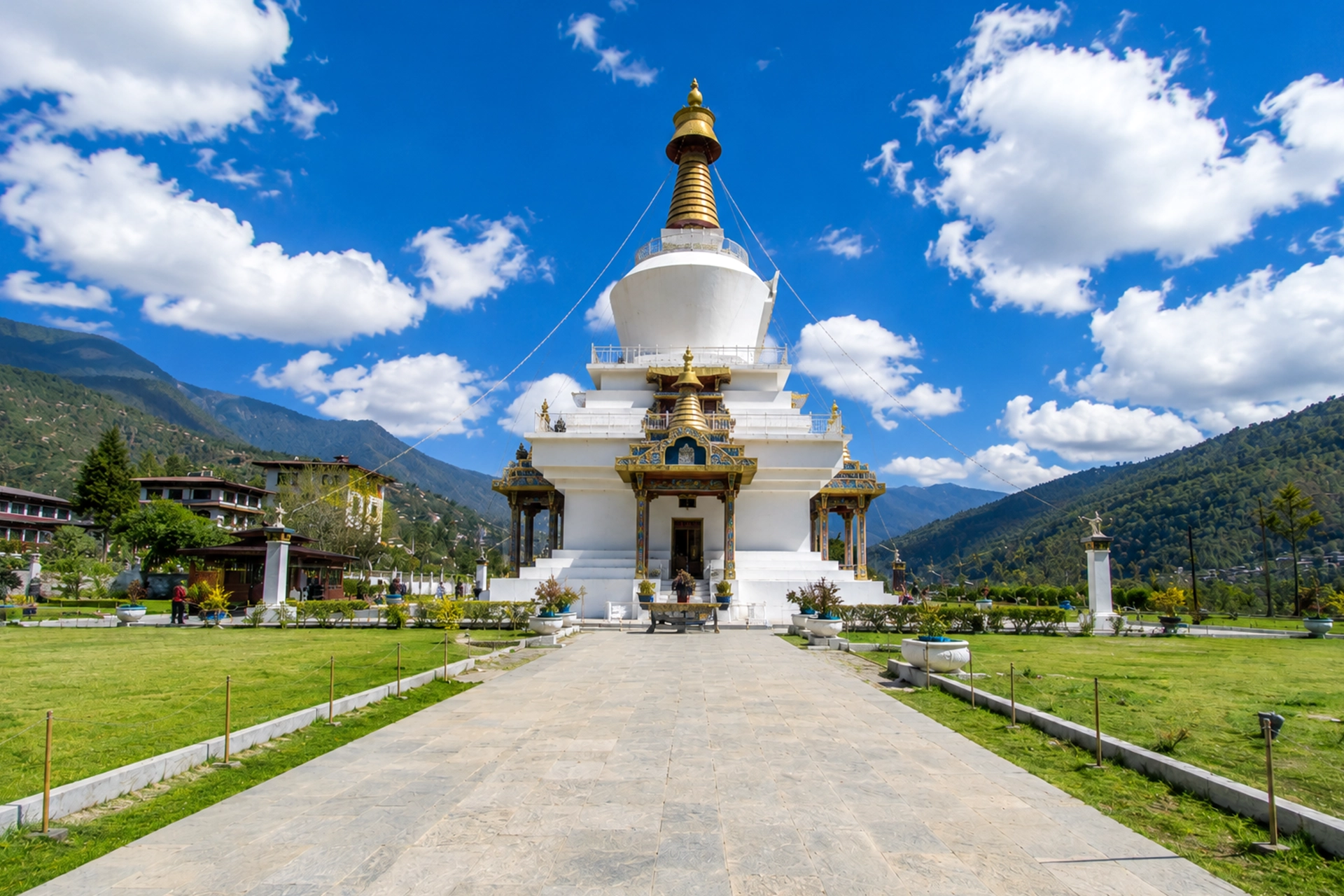
In Thimphu, elderly devotees quietly circle the Memorial Chorten from early morning until evening, prayer beads in hand. In villages, families hang fresh prayer flags on hillsides and gather in monasteries dressed in traditional attire. Across mountain passes, the sound of fluttering prayer flags mixes with the scent of pine forests and incense.
Travelers visiting during this sacred month are warmly welcomed, though respectful behavior is appreciated. Simple gestures such as dressing modestly at religious sites, speaking softly in temples, and being mindful of local vegetarian practices help visitors connect more meaningfully with Bhutanese culture.
Bhutanese people are generally happy to share the significance of Saga Dawa with curious travelers, and many visitors leave with a deeper understanding not only of Buddhism, but also of Bhutan’s unique approach to happiness, compassion, and balance in life.
Spend time in monasteries, peaceful villages, and quiet mountain valleys.
Dress modestly, speak softly in temples, and respect local practices.
Experience Bhutan’s living Buddhist culture in a sincere and heartfelt way.
Discover Bhutan beyond sightseeing — through compassion, spirituality, culture, and meaningful connection.
Plan Your Bhutan Journey